Investing in natural stone is an investment in the legacy of your home. While our surfaces are built for a lifetime of use, true artisan craft deserves intentional care. Below, find our professional protocols for maintaining the luster and integrity of your stone.

The secret to lasting beauty is simplicity. For everyday upkeep, use a pH-neutral stone cleaner or warm water with a drop of mild dish soap. Avoid acidic or abrasive cleaners that can dull the factory finish over time.
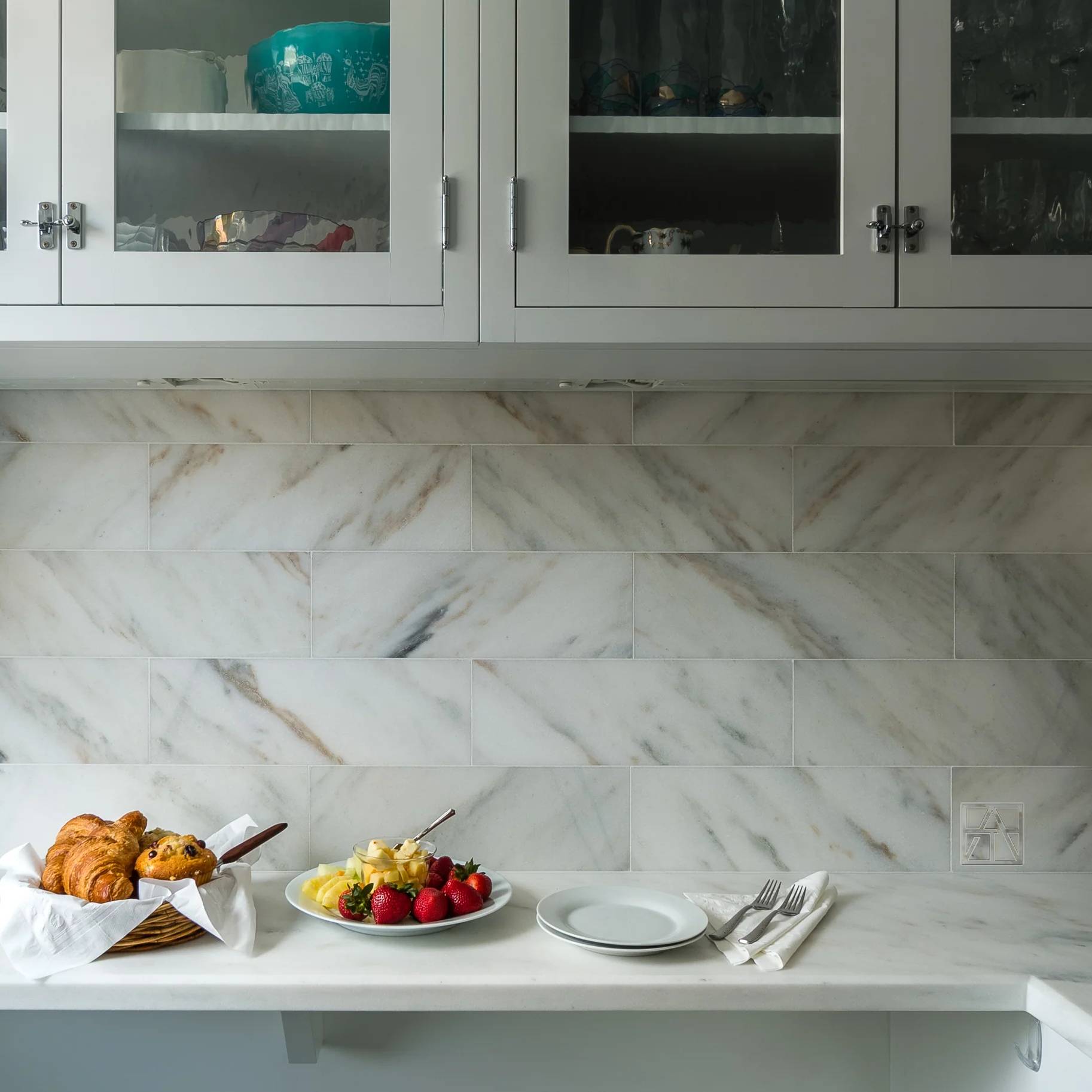
Natural stone is porous by nature. We apply a premium-grade sealer upon installation, but most stones require a fresh application every 12-24 months. If water no longer beads on the surface, it’s time to re-seal.

Stone is durable, but not indestructible. Always use trivets for hot cookware and cutting boards for food prep to prevent thermal shock and scratches, ensuring your surface remains a pristine centerpiece.
Granite is incredibly stain-resistant when sealed. To test your seal, perform the "Water Drop Test": place a tablespoon of water on the surface; if it hasn't absorbed after 15 minutes, your seal is secure.
Marble and Quartzite are sensitive to "etching" from acids like lemon juice or wine. Clean spills immediately and only use specialized stone cleaners to preserve the natural veining and honed or polished finish.
As a non-porous material, Quartz never requires sealing. However, it is sensitive to high heat. Never place hot pans directly on the surface, as the resin binders can suffer permanent thermal damage.
For deep organic stains (oil, wine, ink), a professional poultice can often "draw" the stain out of the stone's pores. Contact us for specific recipes based on your material type before attempting a DIY fix.
Small chips, especially around sinks and dishwashers, are common over time. Our team can color-match epoxy resins to your specific slab, making most minor repairs virtually invisible to the naked eye.
To maintain peak performance, we recommend a professional-grade re-sealing every 12 to 24 months. High-traffic areas, such as kitchen islands and primary vanities, may require more frequent attention to ensure the stone's pores remain fully protected against daily use.
Technical guidance and professional protocols for maintaining the integrity of your stone surfaces.
Not necessarily, but timing is critical. On Granite or Quartz, these liquids usually won't cause immediate damage if wiped up quickly. However, on "calcareous" stones like Marble, Limestone, or Travertine, acids cause a chemical reaction called "etching." This isn't a stain—it’s a physical dulling of the surface that looks like a water ring or a matte spot.
Pro Tip: If an etch occurs, do not scrub it with abrasive pads, as this will scratch the surrounding polish. Small etches can often be buffed out with a specialized stone polishing compound, but deep etching may require a professional "re-honing" by our restoration team.
The Water Drop Test is the most reliable way to check the integrity of your stone's seal. Simply place a tablespoon-sized puddle of water on several areas of your countertop—especially high-use areas like the "prep zone" near the sink. Wait 15 minutes. If the water is still "beading" on top, your seal is strong. If the stone has darkened or the water has disappeared into the pores, the stone is "thirsty" and the sealer has worn thin.
Pro Tip: We recommend performing this test every 6 months. While some sealers claim to last 10 years, the friction of daily cleaning can wear them down faster in specific spots.
This is a common misconception. While vinegar is great for glass, its high acidity will eat away at the finish of natural stone over time. Even some common dish soaps contain "citrus" degreasers or oils that can leave a cloudy film, making your stone look perpetually dirty.
Pro Tip: Stick to pH-neutral cleaners specifically labeled for stone. If you are in a pinch, a very small amount of clear, non-citrus dish soap diluted in warm water is safe, provided you dry the surface thoroughly with a microfiber cloth to prevent streaks.
Understanding the difference determines the fix. A Stain happens when a liquid (like oil or ink) sinks into the stone's pores, darkening the color from the inside. This is usually fixed with a "poultice" that draws the liquid out. Etching, however, is a surface-level "burn" caused by acid. It usually looks lighter than the stone or appears as a dull "ghost" mark when the light hits it at an angle.
Pro Tip: If the mark is darker than the stone, it's a stain. If it's lighter or duller, it's an etch. Knowing this before you call us helps our technicians bring the right tools to restore your surface.